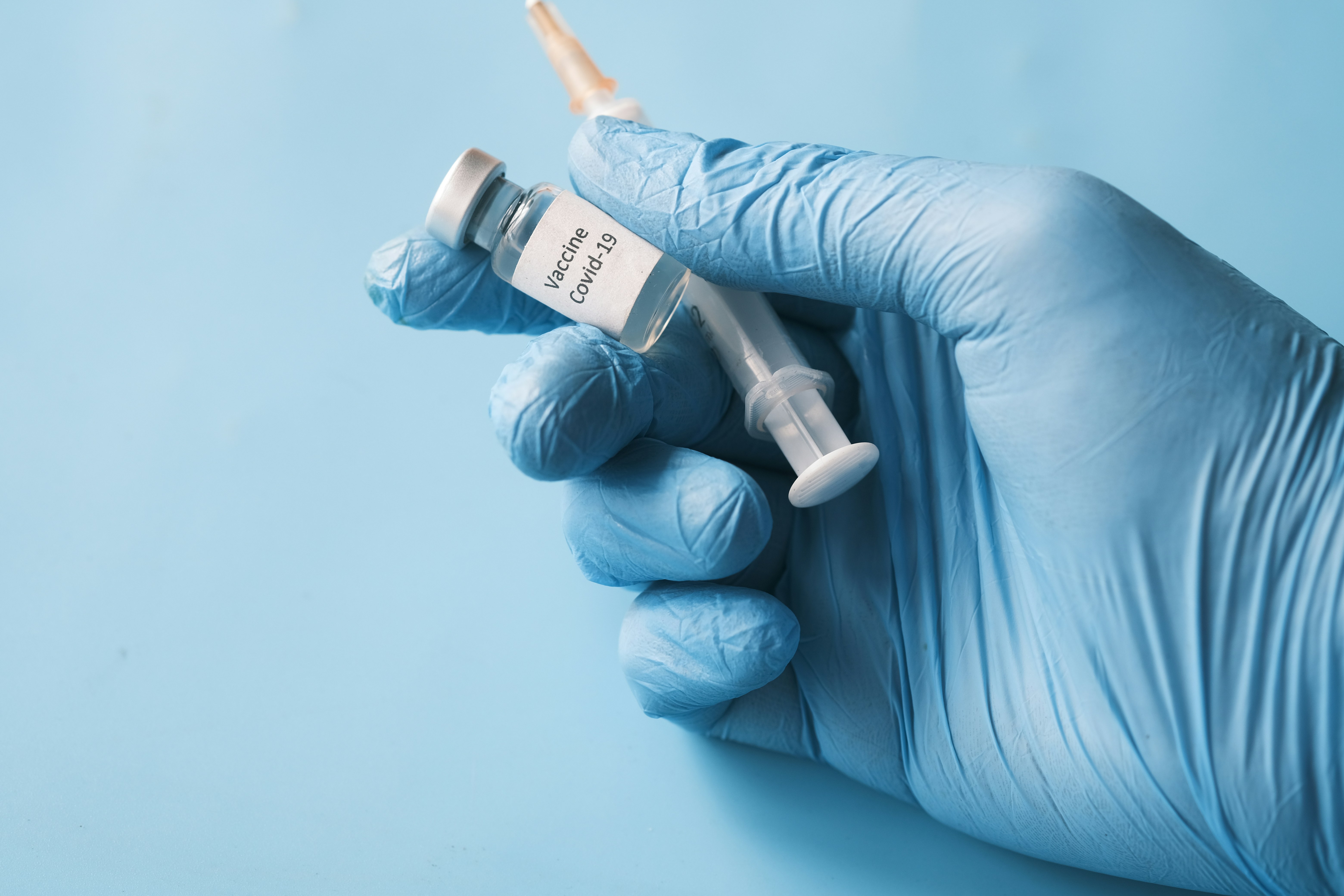
Doctor Refuses University Forms: 5 Steps to Overcome Academic Bureaucracy

It is a nightmare scenario that thousands of students face every semester. You are struggling—perhaps with a severe bout of the flu, a chronic health flare-up, or a mental health crisis that has made attending classes impossible. You have done the responsible thing: you contacted your university administration.
They were sympathetic, but they gave you a task. They emailed you a 3-page, password-protected PDF file titled "Verification of Medical Condition" or "Request for Reduced Course Load due to Medical Condition." They told you, "Just get your doctor to fill this out, sign it, stamp it, and return it by Friday at 5:00 PM."
Relieved that there is a process to help you, you book an appointment at a local urgent care clinic or your university health center. You wait two hours in a waiting room filled with coughing patients. Finally, you get 10 minutes with the doctor. You explain your symptoms, they agree you are sick, and then you pull out the paperwork.
The mood in the room shifts instantly. The doctor glances at the dense text, the checkboxes, and the request for a narrative prognosis.
"I can't fill that out," they say, handing it back to you. "I can give you a standard work/school excuse note on my prescription pad, but I don't have time for administrative forms."
Panic sets in. Your school explicitly stated that a standard note is not sufficient. You are now sick, tired, out of money for the copay, and no closer to solving your academic crisis.
This guide explores why this happens, why traditional healthcare fails students in this regard, and how you can efficiently solve this problem using modern telehealth solutions like Havellum.
The Disconnect Between Medical Care and Administrative Needs
To understand how to solve this, you must first understand why the conflict exists. You aren't just fighting a sickness; you are fighting a disconnect between two massive bureaucracies: the healthcare system and the higher education system.
Why Offline Doctors Hate Your Forms
It is not that your local doctor doesn't care about you. It is a matter of resource allocation and "charting" burnout.
According to the Agency for Healthcare Research and Quality (AHRQ), physician burnout is at an all-time high, with administrative burdens cited as a leading cause. An urgent care physician is incentivized and scheduled to see a patient every 15 minutes. Their workflow is: Assess, Diagnose, Prescribe, Discharge.
When you present a complex university form, you are asking for:
1. Legal Review: They must read the fine print to ensure they aren't admitting to liability.
2. Narrative Writing: They have to write out "functional limitations" rather than just checking a box.
3. Unpaid Time: Most insurance companies reimburse for the medical exam, not the 20 minutes spent filling out a third-party PDF.
Consequently, many clinics have strict "No Outside Forms" policies. If they do agree to fill it out, they may charge an exorbitant "administrative fee" ranging from $50 to $150, with a turnaround time of 5-10 business days. You don't have 10 days.
Why Universities Demand These Forms
On the other side, the university cannot accept a simple note saying "Student is sick." Whether you are applying for a withdrawal, a deadline extension, or a leave of absence, the stakes are high.
Universities are bound by strict compliance regulations. For example, regarding disability accommodations, institutions generally follow guidelines similar to the U.S. Department of Education standards, which require specific documentation of how a condition limits major life activities. A generic note doesn't provide the "functional limitation" data that a Dean of Students or Registrar needs to justify an exception to academic policy.
This leaves the student trapped in the middle: The school demands specific data, but the doctor refuses to provide it.
The Deadline Crisis: When You Cannot Wait
The situation becomes critical when deadlines are involved. If you are an international student, the pressure is even worse. Immigration regulations regarding course loads are unforgiving. As noted by Study in the States (DHS), failing to maintain a full course load without proper medical authorization can lead to the termination of your SEVIS record and your student visa.
You need an urgent medical form completion for students service, but the offline world operates on "business days," not "student crisis hours."
Imagine this timeline:
* Monday: You feel ill and visit Urgent Care. They refuse the form.
* Tuesday: You call your primary care physician (PCP). Next available appointment is in three weeks.
* Wednesday: You try the campus health center. They are booked solid.
* Thursday: The form is due Friday.
This is where the traditional model fails. You are essentially being punished not for being sick, but for being unable to navigate administrative red tape.
The Solution: Specialized Telehealth for Documentation
This is where Havellum changes the game. We recognized that healthcare is not just about prescriptions; it is about the documentation of health events that allow life to proceed.
Unlike a busy urgent care clinic where forms are a nuisance, Havellum operates with the understanding that the form IS the product you need.
1. Connecting You with an Online Doctor to Sign PDF Forms
At Havellum, we don't shy away from paperwork. We specialize in it. Our platform allows you to upload your specific university documents—whether it's a "Verification of Illness," "Fitness to Study," or a specialized travel refund form.
When you request a Custom Medical Certificate, the assigned physician knows exactly what is expected. They aren't rushing you out the door to see the next patient. They take the time to:
* Review your medical history and current symptoms.
* Read the specific questions your university is asking.
* Fill out the form digitally with professional, clinical language that satisfies academic committees.
This service effectively solves the problem of finding an online doctor to sign pdf form requirements without the awkward in-person rejection.
2. Legitimacy: Real Doctors, Real Signatures
A common fear students have is: "Is this fake?" or "Will my school accept an online form?"
It is crucial to understand the difference between a "fake note generator" (which you should never use) and a legitimate telemedicine practice like Havellum.
* Generators: Use Photoshop templates. Illegal. Fraudulent.
* Havellum: Uses licensed physicians. Legal. Verifiable.
When a Havellum doctor signs your form, they include:
* Their Medical License Number.
* Their NPI (National Provider Identifier).
* Clinic contact information.
* A verifiable digital or wet signature.
This meets the standard requirements for third-party professional verification. Whether you are dealing with a strict Registrar's office or an insurance claim, the documentation holds weight because it comes from a licensed professional. You can read more about how this applies specifically to international students in our guide: How International Students Can Obtain Medical Certificates.
3. Handling "Extenuating Circumstances"
One of the most complex areas of academic administration is the "Extenuating Circumstances" or "Good Cause" claim. This usually happens after you have missed an exam or failed a specific assignment due to a crisis.
Universities require you to prove that the illness was:
1. Unforeseeable.
2. Severe.
3. Occurred at the exact time of the assessment.
Finding a doctor to retrospectively analyze your situation and fill out a complex legalistic form is nearly impossible offline. However, you can get extenuating circumstances form signed online through Havellum by providing evidence (such as previous prescriptions, photos, or a detailed history) during your consultation. Our doctors can assess the timeline and validly certify the impact of the illness on your academic performance.
For students dealing with the specific stress of visa regulations and academic leave, getting this right is non-negotiable. Learn more about the nuances in our post about Mental Health Certificates for International Students.
Comparison: The Offline Struggle vs. The Havellum Experience
Let’s compare the two experiences side-by-side to highlight the efficiency gap.
The Offline Urgent Care Route:
* Cost: $150 (visit) + $50 (admin fee, if they agree).
* Time: 3 hours travel/wait + 5 days for form completion.
* Outcome: High risk of refusal or incomplete filling (e.g., doctor skips the "Prognosis" section because they are busy).
* Verification: If the school calls, the front desk often can't find the file easily.
The Havellum Route:
* Cost: Transparent pricing, significantly lower than uninsured urgent care visits. Check our Service Details for specifics.
* Time: 15-minute online assessment + fast turnaround for the completed document.
* Outcome: A fully completed PDF or custom letter addressing every prompt your university requires.
* Verification: Every document comes with a verification QR code/link that the school can check instantly.
Mental Health: The Hardest Signature to Get
Perhaps the most significant area where offline medicine fails students is Mental Health.
If you are suffering from severe anxiety, depression, or burnout, walking into a clinic is already a massive hurdle. Furthermore, general practitioners (GPs) are often hesitant to sign mental health forms, referring you instead to psychiatrists who have 6-month waiting lists.
Havellum bridges this gap. We understand that mental health is health. You shouldn't fail a semester because you couldn't get an appointment with a psychiatrist in time. Our licensed professionals can assess your mental well-being and provide the Mental Health Medical Certificate required to support applications for extensions, reduced course loads, or temporary leave.
How to Use Havellum for Your University Forms
If you are staring at a blank PDF form and a looming deadline, here is your action plan:
- Digitize Your Form: If you have a physical paper form, scan it clearly. If it is a PDF, have it ready.
- Go to Havellum: Select the Custom Medical Certificate option. This is specifically designed for when you need your specific document filled out, rather than our standard template.
- Detailed Intake: During the process, you will be asked to upload your form. Crucial: In the notes section, provide the doctor with context. Explain how your condition affects your studies (e.g., "My migraine prevents me from looking at screens for more than 10 minutes," or "My medication causes extreme drowsiness"). This helps the doctor accurately describe your functional limitations.
- Review: Our team reviews the request. If the doctor needs clarification, they will reach out.
- Download: You receive the signed, stamped, and verified document ready for upload to your student portal.
Conclusion
The days of begging a grumpy physician to sign a piece of paper are over. You are paying for a service—healthcare—and that service should include the administrative support necessary to protect your academic and professional life.
Don't let a bureaucratic hurdle ruin your GPA or your visa status. When offline doctors refuse to help, or when the wait times are simply too long, Havellum provides the professional, verifiable, and empathetic support you need to get the job done.
Focus on getting better. Let the doctors at Havellum handle the paperwork.
Need a Doctor's Note?
Get your medical certificate online from licensed physicians. Fast, secure, and legally valid.
Related Articles

M-1 vs F-1 Visa RCL Rules: Why Academic Difficulty Doesn't Apply

F-1 RCL Guide: Academic vs. Medical Reasons for Reduced Course Load