Emergency ISSS Support: How DSOs Handle Student Health & Visa Crises

Are you currently in a panic, frantically searching for "international student emergency medical leave ISSS process 2025" or trying to understand the "DSO approved emergency medical reinstatement conditions"?
If so, you are likely facing the nightmare scenario for every international student: A health crisis that threatens not just your physical well-being, but your legal right to remain in the United States.
When an emergency strikes—whether it is a sudden severe illness, a mental health breakdown, or a physical accident—the clock starts ticking immediately on your F-1 or J-1 status. You are caught between the urgent need for medical care and the strict federal regulations that demand full-time enrollment.
The gatekeepers of your status are the staff at your university's International Student and Scholar Services (ISSS), specifically your Designated School Official (DSO). They have the power to protect your visa, but only if you provide them with the right evidence at the right time.
This comprehensive guide will walk you through the types of health crises DSOs manage, the exact steps to secure an emergency leave, and how to transition back to academics using resources like the Academic Skills Centre. We will also address the critical bottleneck—obtaining medical documentation quickly—and how modern solutions like Havellum provide the fast, verifiable proof you need to satisfy strict DSO requirements without the delay and expense of the traditional US healthcare system.
Part 1: Crisis Overview – Types of Health Emergencies Impacting Visa Status
In the eyes of immigration law, not all "emergencies" are created equal. To get ISSS support, your situation must fit into specific regulatory categories.
1. Sudden Physical Incapacitation
This includes accidents (broken bones), emergency surgeries (appendicitis), or severe acute illnesses (mononucleosis, severe COVID-19 complications).
* The Visa Risk: If you are hospitalized and miss classes for two weeks without notifying your DSO, you could be flagged for "unauthorized drop below full course," leading to automatic SEVIS termination.
2. Acute Mental Health Crises
Search Keyword: "Student welfare urgent wellbeing support for overseas scholars"
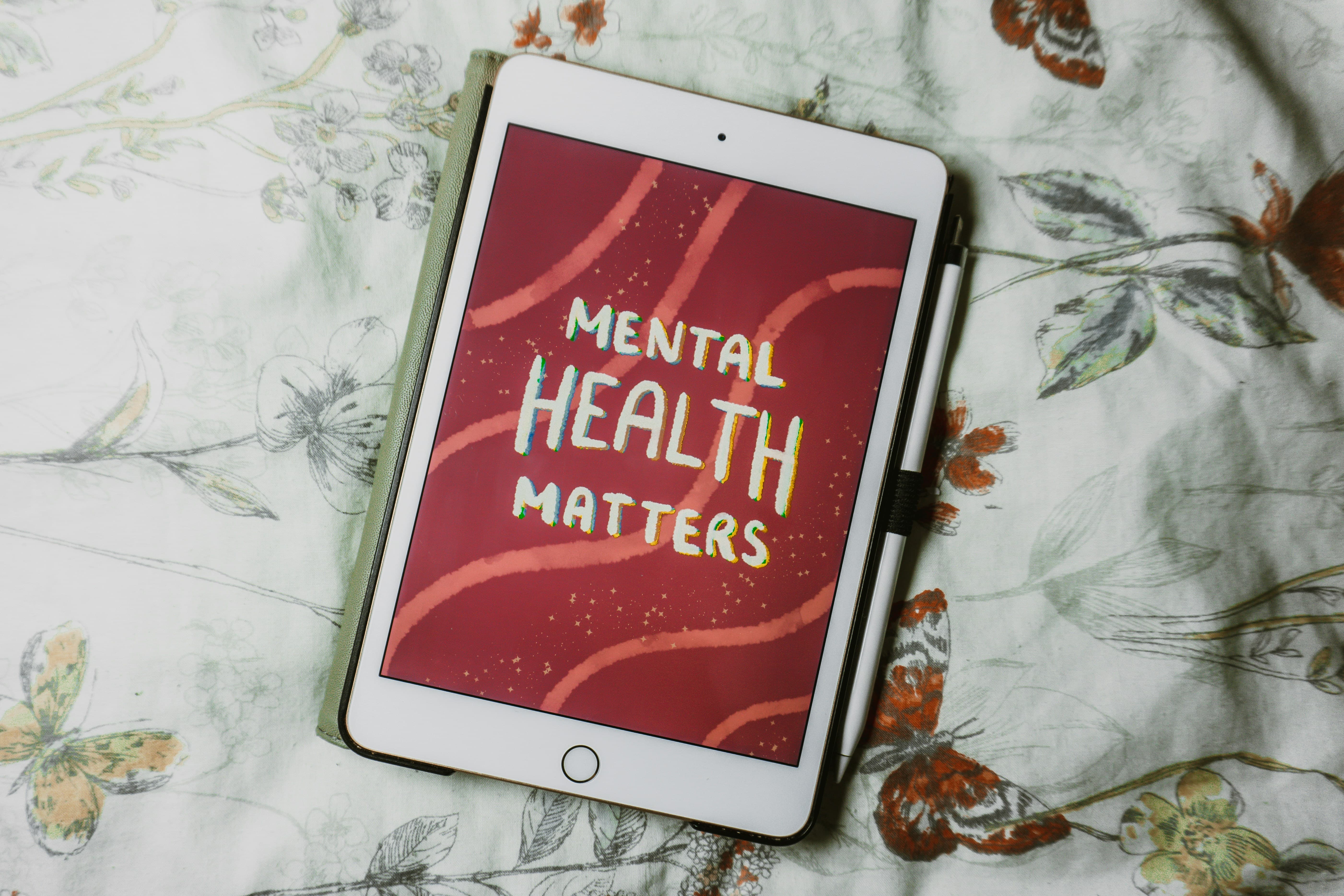
Mental health emergencies—such as severe panic attacks, major depressive episodes, or manic episodes—are the most common reason for emergency leave in 2025.
* The Visa Risk: Students often stop attending class due to "executive dysfunction" (inability to act) before seeking help, leading to academic failure and status violation.
3. Chronic Flare-ups During OPT
Search Keyword: "OPT application delay due to illness medical certificate requirements"
If a health crisis hits during your Optional Practical Training (OPT) period, specifically during the application window or while unemployed, it can jeopardize your ability to secure a job within the 90-day unemployment limit.
Authoritative Resource: Review the DHS guidelines on "Maintaining Status" during emergencies at Study in the States .
Part 2: The ISSS Response – Your DSO as the Gatekeeper
Your DSO is not just an administrator; they are the liaison between you and the Department of Homeland Security. In a crisis, their role is to update your SEVIS record to reflect that your lack of enrollment is authorized.
The Mechanism of Protection: Reduced Course Load (RCL)
For a health crisis, the DSO primarily uses the Medical Reduced Course Load (RCL).
* What it does: Allows you to take fewer than 12 credits (or 0 credits) for a semester while keeping your F-1 status "Active."
* The Limit: You are allowed an aggregate of 12 months of Medical RCL per degree level.
The "Emergency" Workflow
- Notification: You (or a friend/advocate) notify the ISSS office immediately.
- Evidence Submission: You submit medical documentation proving the illness.
- SEVIS Update: The DSO authorizes the RCL in the government database.
- Academic Withdrawal: Only then do you withdraw from classes.
Critical Warning: If you withdraw from classes before the DSO updates SEVIS, you have violated your status. In an emergency, if you cannot physically go to the ISSS office, you must coordinate this via email or phone urgently.
Authoritative Resource: Read about the DSO's responsibilities during student crises at NAFSA: Association of International Educators .
Part 3: The Proof Requirement – Emergency Medical Certificates
This is where the system often fails international students.
To authorize a Medical RCL, federal regulations (8 CFR 214.2(f)(6)(iii)(B)) require the DSO to have a specific document on file.
* The Document: A letter from a licensed Medical Doctor (MD), Doctor of Osteopathy (DO), or Licensed Clinical Psychologist.
* The Content: It must explicitly recommend a reduced course load due to a specific medical condition.
The "Emergency" Documentation Gap
In a crisis, getting this letter is incredibly difficult:
1. ER Doctors are Busy: Emergency Room doctors treat life-threatening issues. They often refuse to sign specific university administrative forms or write detailed letters for ISSS. They give you a "discharge summary," which DSOs sometimes reject for being too vague regarding academic limitations.
2. Wait Times: If you have a mental health crisis, the campus psychiatrist might be booked for weeks. You cannot wait weeks when your visa status is on the line.
3. Cost: Urgent care visits for non-life-threatening emergencies (like severe flu or panic attacks) can cost $200-$500 depending on your insurance deductible.
Authoritative Resource: See an example of strict documentation requirements at University of California Berkeley International Office .
Part 4: The Havellum Solution – Your Emergency Compliance Net
Havellum bridges the dangerous gap between a medical emergency and ISSS compliance. We provide the professional, verifiable, and fast medical documentation you need to satisfy your DSO before your status is compromised.
Why International Students Rely on Havellum in Crises:
1. Instant Access to "Qualified" Providers
DSOs will reject notes from general counselors or nurse practitioners if the university is strict.
* The Solution: Havellum’s Physical Medical Certificates and Mental Health Certificate Services connect you specifically with MDs and Clinical Psychologists. This ensures your documentation meets the federal regulatory standard for F-1 visa exceptions.
2. Speed: Documentation in 24 Hours
In a visa crisis, every hour matters. If you need to drop a class by Friday to save your GPA, you can't wait for an appointment next Tuesday.
* The Solution: Our telehealth model allows for rapid evaluation. You can receive your digital, signed certificate often within 24 hours, allowing you to email your DSO immediately to initiate the RCL process.
3. Custom Letters for Reinstatement or OPT
If you have already fallen out of status due to a medical emergency and are applying for "DSO role in F-1 visa health crisis reinstatement," you need a very detailed letter explaining the timeline of your illness to USCIS.
* The Solution: Our providers can write Custom Medical Certificates that provide the detailed narrative required for Reinstatement appeals or OPT extension requests based on health delays.
4. Avoiding the High Cost of US Healthcare
You don't need to worry about whether your insurance covers "administrative visits" or pay a $300 ER copay just to get a note. Havellum offers transparent, flat-fee pricing that is accessible to students.
How to Use Havellum in an Emergency:
- Contact ISSS: Email your DSO immediately stating you have a medical emergency.
- Visit Havellum: Go to Service Details.
- Consult: Explain your condition and the specific need for a "Medical Reduced Course Load recommendation."
- Submit: Forward the verifiable digital certificate to your DSO instantly.
Part 5: Post-Crisis Recovery – Academic Skills Centre Integration
Once the medical and legal dust settles, you have to return to your studies. This transition is difficult.
Search Keyword: "Academic Skills Centre post-emergency academic recovery tips"
1. The "Incomplete" Grade Negotiation
Use your Havellum medical certificate to negotiate "Incomplete" (I) grades with professors instead of Fs. This gives you time to finish work after you recover.
2. ASC Support for Catch-up
Your university’s Academic Skills Centre can help you restructure your study habits.
* Time Management: Creating a realistic schedule for finishing backlog work while managing ongoing recovery.
* Tutor Support: If you missed foundational lectures, ASC tutors can help bridge the knowledge gap.
Conclusion
A health crisis in a foreign country is terrifying, but it does not have to end your American education. The F-1 visa system has safety valves like the Medical Reduced Course Load specifically for these moments.
However, the system relies on proof. Your DSO cannot help you without the right paper.
Do not let the slow speed or high cost of the US healthcare system cost you your visa. When an emergency strikes, act fast.
Secure your status immediately.
Visit Havellum.com today. Connect with licensed professionals who can provide the fast, compliant, and verifiable medical documentation you need to empower your DSO to protect your stay in the US.
Disclaimer: This blog post provides general information regarding F-1/J-1 visa regulations and medical emergencies. It is not legal or medical advice. If you are experiencing a life-threatening emergency, call 911 immediately.
Need a Doctor's Note?
Get your medical certificate online from licensed physicians. Fast, secure, and legally valid.
Related Articles
RCL Impact on OPT, STEM & H1B: Debunking the 'Black Mark' Myth

F-1 Visa 2026 Online Class Rules: Avoid the Final Semester Trap