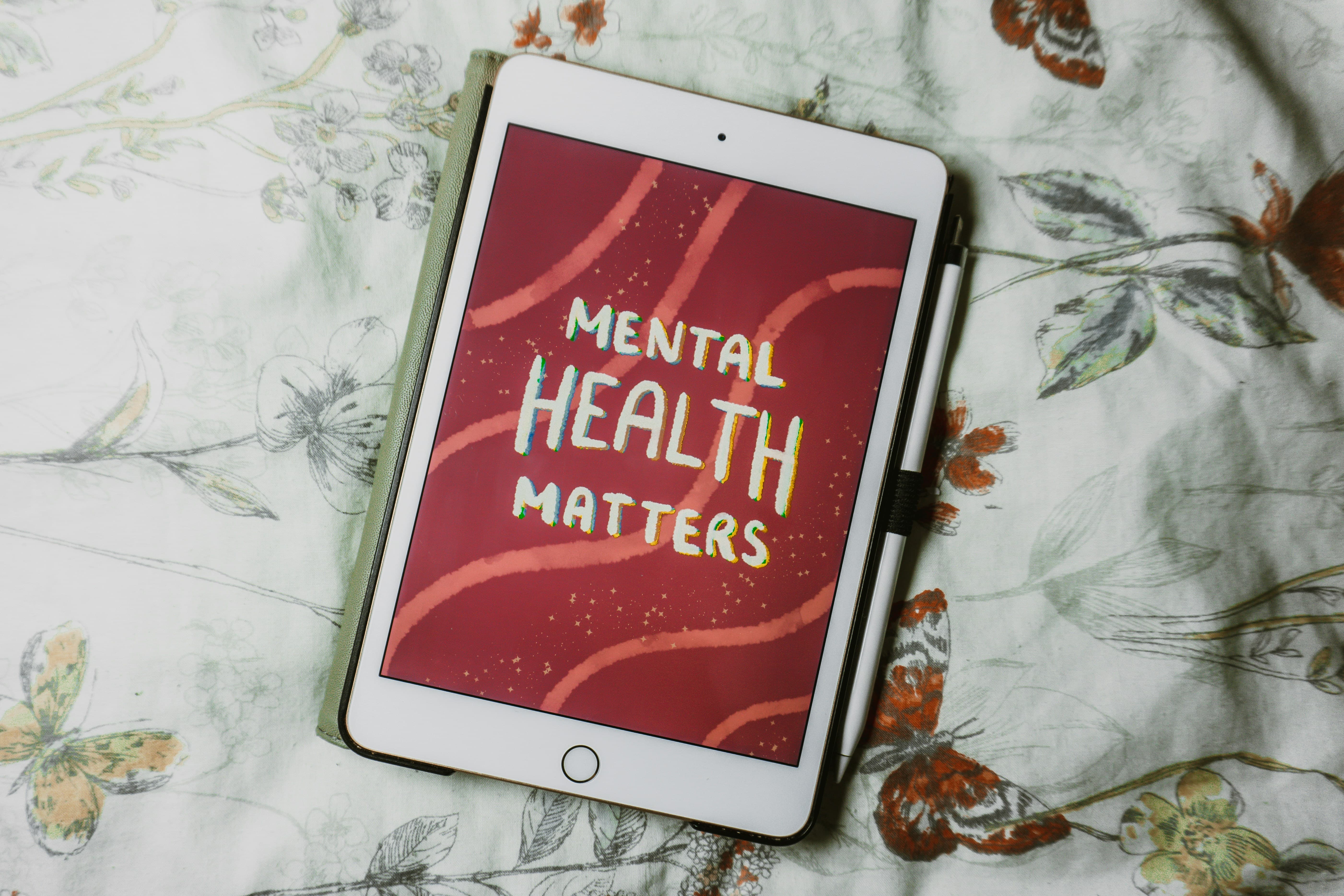
Harvard Medical Leave & Reduced Course Load Guide for International Students

By the Havellum Editorial Team
For the intellectual elite, attending Harvard University is the pinnacle of academic achievement. However, for international students on F-1 and J-1 visas, the Crimson experience comes with a unique set of high-stakes pressures. The relentless pursuit of excellence, combined with the complexities of navigating a foreign healthcare system and strict visa regulations, can lead to significant physical and mental strain.
When health issues arise—whether they are physical ailments or mental health challenges like burnout and anxiety—protecting your academic standing and your visa status becomes the top priority.
This comprehensive guide decodes Harvard’s strict policies regarding Medical Leave of Absence (MLOA) and Reduced Course Load (RCL). We will explore how to navigate these bureaucratic waters and introduce a modern, discreet, and efficient solution for obtaining the necessary medical documentation through Havellum, ensuring you can prioritize your recovery without jeopardizing your future.
The High-Stakes Reality for International Students
For affluent international students, the cost of tuition is often less of a concern than the cost of time and opportunity. Falling behind due to illness can derail career trajectories and endanger visa status.
Under US immigration law, F-1 students are required to maintain a full course of study (usually 12 credits for undergraduates and specific loads for graduate students) during the academic year. Dropping below this threshold without prior authorization is a violation of status, potentially leading to deportation or the inability to re-enter the United States.
However, US regulations and Harvard policy both provide safety valves for students facing medical crises. Understanding the distinction between a Reduced Course Load (RCL) and a Medical Leave of Absence is critical.
Keywords
- harvard university medical leave policy for international students
- harvard reduced course load f1 visa medical reasons
- harvard medical withdrawal requirements doctor's note
- how to apply for medical reduced course load at harvard
- harvard f1 student health leave documentation
- Ivy League medical leave documentation requirements
- telehealth medical certificate for university students
1. Reduced Course Load (RCL) for Medical Conditions
If you are struggling with a medical condition but wish to remain in the US and continue your studies at a slower pace, a Reduced Course Load (RCL) is often the best option.
The Policy
According to the Harvard International Office (HIO) and federal regulations (8 CFR 214.2(f)(6)(iii)(B)), an F-1 student may be authorized for an RCL due to a temporary illness or medical condition.
- Credit Limits: You may be authorized to take fewer than the required minimum credits, or in severe cases, no credits at all, while maintaining your F-1 status.
- Duration: You can be authorized for a medical RCL for a maximum of 12 months (aggregate) per degree level. This is a crucial "bank" of time that you should use wisely.
- Authorization: The RCL must be authorized before you drop your classes. Dropping a class and then asking for forgiveness is rarely accepted.
The Documentation Requirement
This is where many students face a bottleneck. To approve an RCL, the Harvard International Office (HIO) requires specific substantiation. You cannot simply claim you are sick; you must provide a letter or medical certificate.
Strict Regulatory Requirements for the Letter:
The letter must come from a specific type of healthcare provider licensed in the United States. It must be issued by a:
1. Licensed Medical Doctor (M.D.)
2. Doctor of Osteopathy (D.O.)
3. Licensed Clinical Psychologist
Note: Letters from nurse practitioners, physician assistants, or acupuncturists are generally not accepted for F-1 RCL purposes under strict federal guidelines, although university health services may sometimes co-sign them.
The letter must clearly recommend that the student take a reduced course load due to a specific medical condition.
2. Medical Leave of Absence (MLOA)
A Medical Leave of Absence is a more significant step. It implies a complete withdrawal from the current semester with the intent to return in the future.
The Policy
Harvard allows students to take a leave of absence for health reasons when their condition makes it impossible to continue with their studies effectively. This is often the right choice for students facing severe depression, major surgery, or chronic illnesses requiring intensive treatment.
Visa Implications
This is the most critical difference between RCL and MLOA.
* RCL: You stay in the US, keep your dorm/apartment, and remain an active student.
* MLOA: generally requires you to depart the United States within 15 days of the leave being processed, as you are no longer an "active" student. Your SEVIS record may be terminated for "Authorized Early Withdrawal."
The Return Process
Returning to Harvard after a medical leave is not automatic. The Administrative Board or the Resident Dean will require:
1. Evidence of treatment during the time away.
2. A clearance letter from a medical provider stating you are fit to return to the rigors of full-time study.
3. Review and approval by Harvard University Health Services (HUHS).
For more insights on navigating these academic adjustments, read our guide on Navigating Reduced Course Load in the USA.
The Challenge: The "Documentation Gap"
For international students, knowing the policy is only half the battle. The real struggle lies in obtaining the "legitimate, verifiable medical certificate" required by the administration.
The Problem with Offline Healthcare in Boston
Even for affluent students willing to pay out-of-pocket, the traditional healthcare route in the US is plagued by inefficiencies that do not align with administrative deadlines:
- Impossible Wait Times: Seeing a specialist or even a General Practitioner (GP) in the Cambridge/Boston area can take weeks. If you have a deadline to drop a class next Tuesday, an appointment next month is useless.
- Harvard University Health Services (HUHS) Overload: While HUHS is an excellent resource, they are often overwhelmed. Getting a same-day appointment for a non-emergency administrative note can be difficult.
- The "Refusal to Write" Issue: Many offline doctors focus strictly on clinical treatment and are hesitant or "too busy" to write detailed administrative letters required for visa purposes. They may treat your flu or anxiety but refuse to draft the specific "reduced course load recommendation" letter because they don't want the administrative liability.
- Exorbitant Costs: A visit to a private urgent care or specialist can cost hundreds or even thousands of dollars if you are out-of-network, merely to get a piece of paper.
This creates a dangerous gap: You are genuinely unwell, you are entitled to leave, but you cannot get the paper proof fast enough to satisfy the Resident Dean.
The Havellum Solution: Professional, Verifiable, & Fast
This is where Havellum changes the landscape. We understand that for high-performing students, health management is also reputation and career management.
Havellum.com is a premium telehealth platform connecting patients with licensed US board-certified physicians who understand the administrative requirements of US universities and immigration protocols.
Why Havellum is the Superior Choice for Harvard Students
1. Legitimacy and Compliance
Our primary value proposition is compliance. As mentioned, F-1 RCL requests require documentation from an M.D., D.O., or Licensed Clinical Psychologist.
When you use Havellum, you are connected with licensed medical professionals. The certificates issued are legal medical documents, adhering to HIPAA regulations and signed by real doctors with verifiable license numbers.
2. Speed and Efficiency (Same-Day Documentation)
Academic deadlines do not wait for doctor availability. Havellum operates with the speed required by the Ivy League environment.
* No Waiting Rooms: No need to sit for hours in a waiting room in Cambridge.
* Fast Turnaround: In most cases, after your digital consultation and review, you can receive your signed medical certificate via email within hours. This allows you to meet the HIO or Registrar's strict deadlines.
3. Tailored for Administrative Needs
Unlike a random urgent care doctor who may scribble an illegible note on a prescription pad, Havellum doctors understand the purpose of the note. Whether you need documentation for a Mental Health Break or a physical illness, the resulting document is professional, clear, and designed to be read by university administrators.
4. Verifiable by the University
Harvard’s administration is diligent. If they suspect a note is fake, they will check.
* The Risk of Fake Notes: Using "fake doctor note" templates found online is grounds for immediate expulsion and visa revocation for fraud. Never take this risk.
* The Havellum Guarantee: Our certificates come with a verification system. If a university official scans the QR code or contacts us for verification (with your consent/release), we can confirm the authenticity of the issuance. This transparency builds trust with your Resident Dean.
How to Use Havellum for Your Harvard Leave Application
If you are feeling overwhelmed, suffering from severe anxiety, or have a physical condition hindering your studies, follow this workflow to secure your documentation efficiently.
Step 1: Identify the Need
Determine if you need a short-term excuse (extension on a paper), an RCL (dropping a class), or a full Leave of Absence. Check our Services Page to see which consultation fits your needs.
Step 2: Digital Consultation
Visit Havellum.com and complete a comprehensive patient intake form. You will upload evidence of your condition (if available) or describe your symptoms in detail. This process is fully digital, respecting your privacy and saving you time.
Step 3: Professional Review
A licensed US physician will review your case. This is not a bot; it is a medical professional evaluating your symptoms to ensure they warrant a medical certificate. If the doctor needs more information, they will reach out.
Step 4: Receive Your Certificate
Once approved, you will receive a secure PDF medical certificate.
* Diagnosis Code (ICD-10): Included if required.
* Dates of Incapacity: Clearly stated.
* Physician’s Signature & License: Fully visible.
Step 5: Submit to HIO and Resident Dean
Take your Havellum certificate and submit it alongside your "Reduced Course Load" request form to the Harvard International Office. Because the note comes from a licensed provider, it meets the standard regulatory criteria.
For general information on medical certificates in the US, see our guide on Doctor's Notes in the USA.
The Cost-Benefit Analysis: Havellum vs. Traditional Care
For the affluent international student, the calculation is simple.
| Feature | Traditional Offline Doctor | Havellum Telehealth |
|---|---|---|
| Wait Time | 3 days to 3 weeks | Within hours (Same-day) |
| Convenience | Travel required, waiting rooms | 100% Online from your dorm |
| Cost | $200 - $500+ (out of pocket) | Affordable flat fee |
| Documentation | Often reluctant to write admin letters | Specializes in medical certificates |
| License Status | M.D./D.O. | M.D./D.O./Clinical Team |
| Stress Level | High | Low |
Offline doctors are fantastic for treatment—if you have a broken leg, go to the ER. But for the administrative proof required to manage your course load, offline healthcare is an inefficient bottleneck. Havellum streamlines this specific hurdle.
Addressing Mental Health Without Stigma
A significant portion of RCL requests at Harvard are due to mental health issues—anxiety, depression, and severe burnout. However, many students fear seeking help due to cultural stigma or fear of it appearing on a permanent record.
Havellum provides a discreet way to obtain a Mental Health Medical Certificate. Because we abide by HIPAA (Health Insurance Portability and Accountability Act), your medical data is strictly confidential. You get the documentation you need to protect your grades without the public exposure of visiting a campus clinic if you prefer privacy.
Conclusion: Prioritize Your Health, Protect Your Visa
Harvard is a marathon, not a sprint. Pushing yourself to the breaking point does not prove your resilience; it endangers your degree.
If you are sick, the law allows you to rest. The university has policies to support you. Do not let the bureaucratic hurdle of "getting a doctor's note" stop you from taking the leave you legally deserve.
Don't risk your visa with fake notes, and don't waste weeks waiting for an offline appointment.
Trust Havellum to provide the legitimate, verifiable, and professional medical documentation you need to navigate Harvard's administration with confidence.
Get your legitimate medical certificate today at Havellum.com.
Disclaimer: Havellum connects patients with licensed healthcare providers. We provide medical evidence based on clinical assessment. The final decision to grant a Reduced Course Load or Leave of Absence rests with Harvard University and the Harvard International Office based on immigration regulations. Always consult with your HIO advisor regarding the specific immigration impact of your leave.
Need a Doctor's Note?
Get your medical certificate online from licensed physicians. Fast, secure, and legally valid.
Related Articles

US Education Leave & Attendance Policy Shift: From Punitive to Supportive

F-1 RCL Guide: Academic vs. Medical Reasons for Reduced Course Load