How to Apply for Long-Term Sick Leave: Protect Your Job & Navigate FMLA

Want to take a Gap Year or a Mental Health Break? Here is how to use "Medical Advice" to provide the perfect cover for your resume gap.
It usually starts on Sunday night. The dread. The tightening in your chest. By Monday morning, you are staring at your laptop screen, physically present but mentally paralyzed.
In the high-pressure corporate world, "burnout" is often worn as a badge of honor. But there comes a breaking point where coffee and vacations aren't enough. You don't just need a weekend; you need a month. Maybe three. Maybe a year.
However, the fear of professional suicide holds you back. "If I ask for leave, will they fire me?" "How do I explain a 6-month gap on my resume?" "Will I look weak?"
The secret to navigating this isn't to quit in a rage. It is to leverage the legal and administrative frameworks designed to protect you: Long-term Sick Leave and Medical Leaves of Absence.
This guide will teach you the art of the "Medical Pause"—how to legally secure your job while you recover, or how to frame a gap year so that future employers see you as responsible, not unreliable.
The Legal Safety Net: Understanding FMLA and Employee Rights
Before you walk into HR's office, you need to know your armor. In the United States, the strongest piece of armor is the Family and Medical Leave Act (FMLA).
FMLA provides eligible employees with up to 12 weeks of unpaid, job-protected leave per year. It requires that your group health benefits be maintained during the leave.
Does Burnout Count?
Yes. While "burnout" itself isn't always the medical code used, the conditions caused by it—severe anxiety, major depression, and physical manifestations of stress—are covered. Understanding the FMLA requirements for mental health is crucial. You are not asking for a favor; you are exercising a federal right.
For a detailed breakdown of your rights under this law, refer to the Department of Labor's official FMLA guide.
The Strategy: How to Ask for a Stress Leave from Work
Communicating with Human Resources is a delicate dance. You need to be firm but professional. You must provide enough information to trigger legal protections, but not so much that you violate your own privacy.
1. The Conversation
Do not walk in and say, "I hate my boss and I'm tired." That is a resignation letter.
Instead, say: "I am currently dealing with a medical condition that requires me to take a leave of absence for treatment and recovery. My doctor has advised a period of time away from work."
2. Privacy vs. Proof
Your employer has the right to know that you are sick and how long you will be out. They generally do not have the right to your detailed medical records or therapy notes.
However, they do have the right to request a medical certification. This is a formal document from a healthcare provider confirming that a serious health condition exists and incapacitates you from performing your job duties.
For more on how to balance privacy with employer requests, the Equal Employment Opportunity Commission (EEOC) provides guidance on disability-related inquiries.
Unpaid Leave vs. Short-Term Disability (Getting Paid)
FMLA protects your job, but it doesn't protect your paycheck. If you want to continue receiving income during your leave, you typically need to apply for Short-Term Disability (STD) insurance if your company offers it.
This is where the scrutiny intensifies. Insurance companies are not your friends. They will reject claims that lack specific, clinical evidence. A simple note saying "needs rest" will be denied. You need a doctor note for long term leave of absence that includes:
* Diagnosis (ICD-10 codes).
* Treatment plan.
* Estimated return date.
* Specific functional limitations (e.g., "Patient cannot concentrate for more than 15 minutes," "Patient experiences panic attacks in office environments").
The "Gap Year" Strategy: Framing the Resume Hole
Perhaps you don't want to go back to this job. Maybe you want to take a "Gap Year" to travel, reset, or pivot careers.
The biggest fear is the "Resume Gap." Recruiters hate unexplained gaps.
The Solution: Do not call it "unemployment." Call it a "Medical Sabbatical" or "Care Period."
If you have a legitimate medical certificate covering that period, you have a bulletproof answer for future interviews:
"I took a planned medical leave to address a health issue. I am now fully recovered and have a clean bill of health to return to high-performance work."
This shows responsibility. It shows you prioritize long-term sustainability over short-term burnout.
The Obstacle: The Traditional Healthcare Bottleneck
So, you have decided to take the leave. Now you face the hurdle that stops most people: The Doctor.
To get FMLA or Short-Term Disability approved, or even just to get a formal HR note, you need a licensed provider. But the traditional system is broken for working professionals:
- The Wait Times: You are at your breaking point today, but the psychiatrist has a 3-month waitlist.
- The "Physical" Bias: Many General Practitioners (GPs) dismiss stress. They might tell you to "take a yoga class" rather than writing the formal medical documentation you need for HR.
- The Cost: If you are uninsured or between jobs, a consultation for a medical letter can cost hundreds of dollars.
- The Risk: You might pay for a visit, wait an hour in the lobby, and leave with a handwritten note that looks unprofessional and raises red flags with your HR department.
The Solution: Professional, Verifiable Documentation with Havellum
When your career and reputation are on the line, you cannot rely on a scribbled prescription pad. You need digital, verifiable, and legally sound documentation.
Havellum is the professional's choice for securing medical certifications for workplace leave. We bridge the gap between your health needs and corporate bureaucracy.
Why Havellum is the "HR-Safe" Choice
1. Verifiability is King
HR departments are suspicious. If you hand in a PDF that looks like it was made in Photoshop, they will investigate. If they find it's fake, you are fired for cause.
Havellum documents are audit-proof. Every certificate includes a unique Reference ID and QR code. When your HR manager scans it, they are directed to a secure verification portal confirming the document was issued by a licensed professional. This establishes trust instantly.
2. Speed and Efficiency
You don't have time to wait weeks. Through our telehealth platform, you can complete an assessment and, if approved, receive your Mental Health Medical Certificate often within hours. This allows you to file your FMLA paperwork immediately and stop the clock on your attendance points.
3. Tailored for "Workplace Burnout"
Our network of licensed professionals understands the modern workplace. They know how to articulate conditions like severe stress, anxiety, and exhaustion in a way that satisfies administrative requirements without oversharing your personal trauma. We provide Custom Medical Certificates that focus on functional limitations—exactly what insurance and HR need to see.
4. Return-to-Work Authorization
The end of your leave is just as important as the start. When you are ready to go back, companies require a "Fit for Duty" or "Clearance" note. Havellum supports the entire lifecycle of your leave, offering Recovery and Return-to-Work documentation to ensure your transition back to the office is smooth.
How to Secure Your Leave Document Today
- Assessment: Visit the Havellum Blog to understand your rights, then proceed to our assessment form.
- Consultation: Provide details about your condition and the duration of leave you are seeking.
- Issuance: A licensed provider reviews your case. If appropriate, a digital certificate is issued.
- Submission: You submit the verified PDF to your HR portal or third-party leave administrator (like Sedgwick or Matrix).
Conclusion: Protect Your Career by Protecting Your Health
Your job is replaceable. Your health is not.
Taking a step back is not a sign of weakness; it is a strategic move to ensure you can work effectively for the next 20 years. Whether you need a two-week stress leave or a six-month medical gap year, do it the right way.
Don't let a lack of paperwork trap you in a toxic cycle of burnout. Use Havellum to get the professional, verifiable medical proof you need to press "Pause" safely.
Your career is a marathon, not a sprint. Take the rest you need with confidence.
Note: While Havellum provides medical documentation, we do not provide legal advice. For specific questions regarding labor laws in your state, refer to DOL resources or consult an employment attorney.
Need a Doctor's Note?
Get your medical certificate online from licensed physicians. Fast, secure, and legally valid.
Related Articles
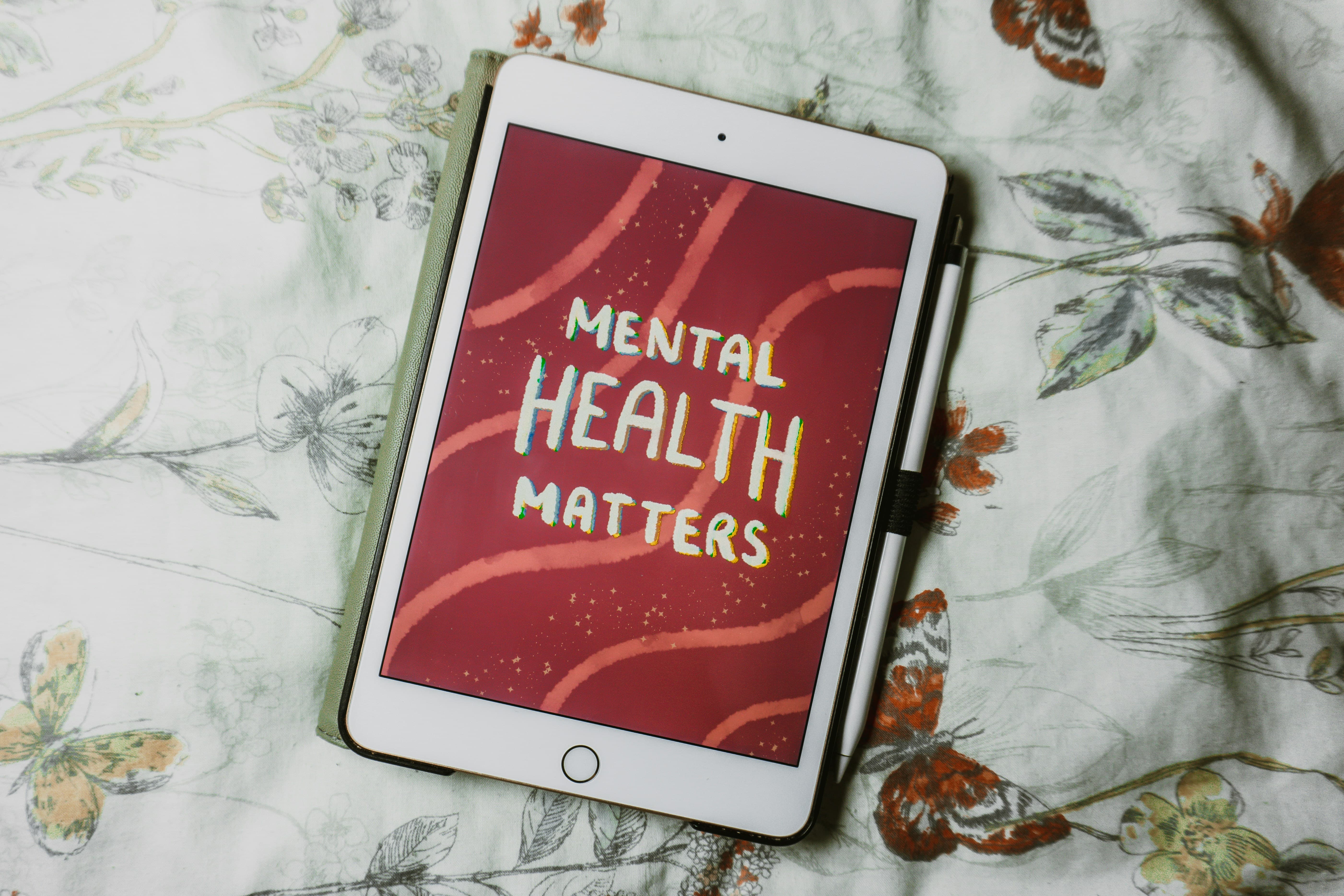
FMLA Guide: Secure Your Job During Medical Leave | Step-by-Step Process

FMLA & State Paid Leave Integration in the 2026 US Labor Market

Tesla FMLA & Sick Leave 2026: Complete Guide to Employee Benefits & Medical Leave