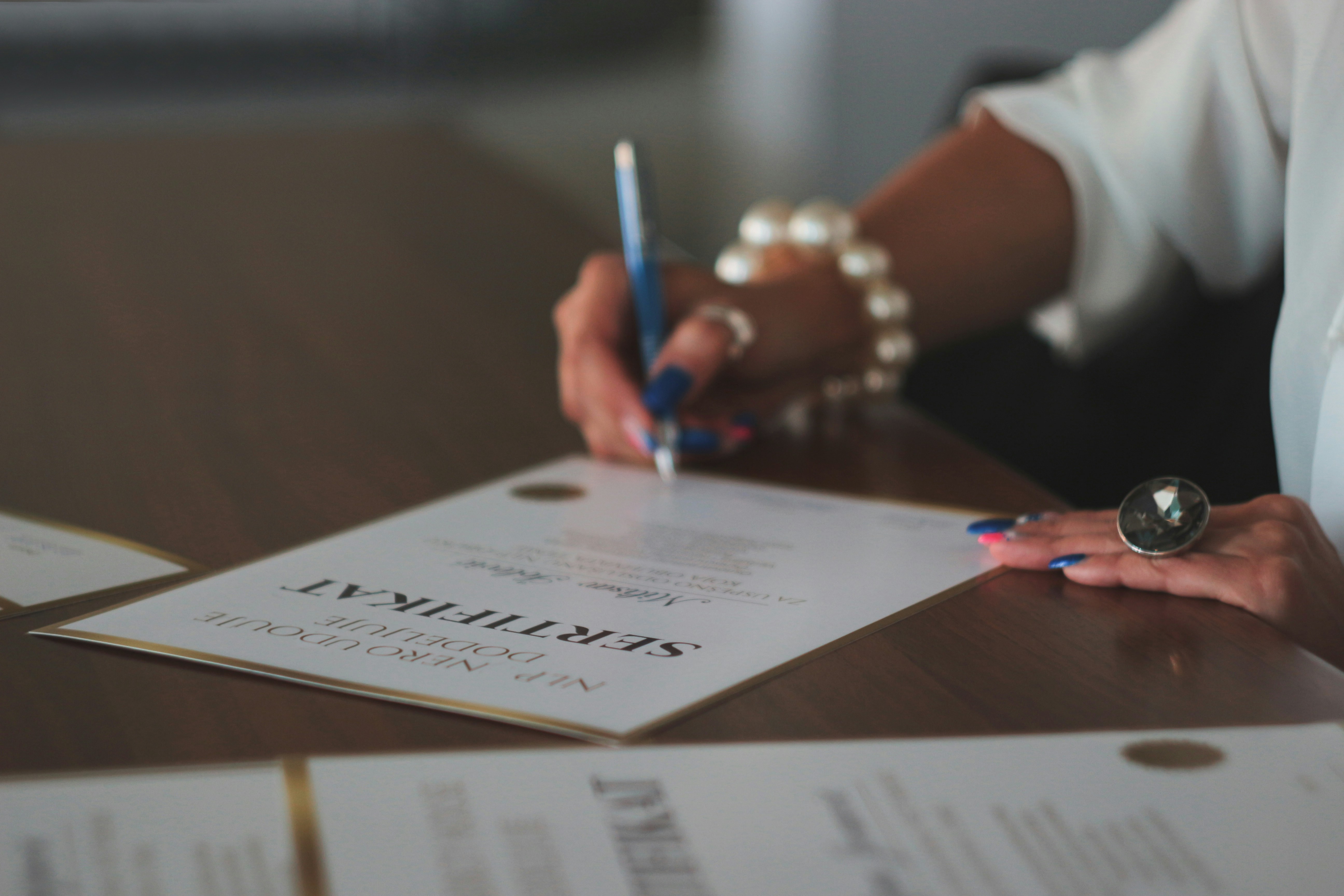
The Future of Sick Leave: How Digital Health Is Changing Medical Certification and Employee Wellness

Introduction: A New Era for American Sick Leave
The way Americans manage sick days is undergoing a radical transformation. For decades, the process of taking a sick day followed a familiar pattern: wake up ill, try to secure a doctor’s appointment, hope for a sympathetic physician, then submit a handwritten note to the boss. In today’s digital age, everything is changing.
Telemedicine and digital health solutions are reshaping not just how people access care, but how they provide proof of illness and protect their workplace rights. This shift is more than technological—it’s cultural, legal, and deeply personal. In this blog, we’ll explore the rise of digital doctor’s notes, their implications for employee wellness, and what these innovations mean for privacy, compliance, and the future of work.
The Old Model: Sick Leave Stress and Documentation Roadblocks
Traditional sick leave in America has long been fraught with challenges:
- Booking a doctor’s appointment on short notice is often impossible, especially in rural or underserved areas.
- Provider reluctance: Many doctors hesitate to issue absence notes for minor symptoms, requiring “proof” or in-person exams.
- Cost barriers: For uninsured or underinsured, an office visit just to get a note can be prohibitively expensive.
- Employer skepticism: Even with a note, HR departments may reject documentation if it’s vague, late, or from an unrecognized provider.
- Paperwork hassles: Physical notes can be lost, damaged, or questioned—especially in remote or hybrid work environments.
The result? Employees push through illness, risking their own health and that of colleagues. Meanwhile, legitimate absences can lead to disputes, lost pay, or even job insecurity.
Why Digital Health Is a Game Changer
Digital health isn’t just about convenience—it’s about access, equity, and modernizing a system that’s long overdue for change. Telemedicine allows patients to consult with licensed providers via video, phone, or chat, often within hours or minutes. But the real revolution is in digital medical certification.
What Is a Digital Doctor’s Note?
A digital doctor’s note is a secure, professionally issued document that proves a patient’s illness or need for leave. Unlike the traditional handwritten note, it’s:
- Delivered electronically (email, PDF, secure portal)
- Issued by licensed providers with verified credentials
- Detailed and compliant with workplace or insurance requirements
- Easily stored, shared, and tracked for HR or legal purposes
Legal Status: Are Digital Notes Accepted?
Yes—but with caveats. The legal status of digital doctor’s notes depends on employer policies, state laws, and federal guidelines. Most companies now accept digital documentation, provided it’s issued by a licensed provider and contains the necessary details.
Federal Guidance
The U.S. government encourages telemedicine and digital health for both patient care and documentation. The Health Resources & Services Administration (HRSA) states:
“Telehealth is the use of electronic information and telecommunications technologies to support and promote long-distance clinical health care, patient and professional health-related education, public health, and health administration...”
Telemedicine and Telehealth | HealthIT.gov
The Department of Health and Human Services (HHS) further explains:
"Patients and Providers can get the latest information about how and when to use telehealth, policy and billing updates, best practices for telemedicine integration, and more."
Telehealth.HHS.gov
Telehealth services, including digital medical notes, are increasingly recognized for Medicare, Medicaid, and employer-sponsored health plans.
How Digital Certification Works: What Employees Need to Know
Unlike the traditional process, digital certification is streamlined:
- Consultation: Schedule an online appointment with a licensed provider—often same-day.
- Assessment: Describe symptoms via video, phone, or secure messaging.
- Documentation: If medically justified, receive a digital absence note or certificate.
- Submission: Email or upload the document to HR, insurance, or relevant authority.
What Should a Digital Note Include?
For maximum acceptance, a digital sick note should contain:
- Provider’s full name, credentials, and contact info
- Patient’s name and date of birth
- Date(s) of consultation and recommended absence
- Reason for absence (with enough detail for employer compliance)
- Digital signature or authentication code
Privacy and Security: Are Digital Notes Safe?
Digital health platforms are subject to strict privacy laws, including HIPAA. Secure portals and encrypted communications ensure that medical information remains confidential. In many cases, digital notes are safer than paper notes, which can be lost or viewed by unauthorized parties.
The federal government continues to update policy and security standards, as described on HHS’s telehealth policy page:
“Some of the telehealth flexibilities have been made permanent while others are temporary...Telehealth policies allow: Medicare patients can receive telehealth services for non-behavioral/mental health care in their home through September 30, 2025.”
Telehealth Policy Updates | HHS.gov
The Impact on Employee Wellness
The digital revolution in sick leave isn’t just about paperwork—it’s about wellness.
- Reduced stress: Employees don’t need to scramble for last-minute appointments.
- Less presenteeism: Workers are more likely to stay home when sick, reducing spread of illness.
- Better compliance: HR gets clear, verifiable documentation, reducing disputes.
- Greater accessibility: Rural, disabled, and uninsured workers have new options for care and documentation.
Remote and hybrid work has only accelerated these trends. As more companies shift to flexible arrangements, digital health is becoming the norm for managing absences.
Offline Hassles vs. Online Convenience
Let’s break down the difference:
| Offline (Traditional) | Online (Digital Health) |
|---|---|
| Wait days for appointment | Same-day or next-day consulting |
| Travel to clinic | Consult from home |
| High copays/uninsured fees | Transparent digital pricing |
| Doctor may refuse note | Providers focused on documentation |
| Paper notes prone to loss | Secure, shareable digital files |
| Unpredictable provider policies | Standardized compliance |
With digital health, the barriers to legitimate sick leave are lower—and the process is more transparent.
Real-World Scenarios: Digital Health in Action
Case 1: The Remote Worker
Sam works for a tech company from a rural town. When he falls ill, the nearest clinic is 40 miles away. Using a digital health platform, Sam consults online, receives a sick note within hours, and sends it to HR—no lost pay, no travel.
Case 2: The Parent
Jessica’s child wakes up sick before school. Instead of waiting days for a pediatrician visit, she uses telemedicine to get a same-day assessment and a legitimate absence note for the school.
Case 3: The Freelancer
Ben, a gig worker, needs medical documentation for an insurance claim. Digital health platforms offer custom certificates, tailored to insurer requirements, delivered instantly.
How Digital Health Is Shaping Policy
Federal and state agencies are embracing telehealth for its potential to improve access and reduce costs. The Office for the Advancement of Telehealth at HRSA notes:
“The Office for the Advancement of Telehealth (OAT) improves access to quality health care through integrated telehealth services. Our programs support direct services, research, and technical assistance.”
Office for the Advancement of Telehealth | HRSA
Employers, insurers, and schools increasingly accept digital notes, recognizing their validity and compliance with legal standards.
The Importance of Verifiable, Legitimate Medical Certificates
With the rise of online services, legitimacy and verification are crucial. Employers and schools want to ensure notes are not fraudulent, and employees need assurance that their documentation will be accepted. Trusted platforms provide:
- Direct access to licensed providers
- Secure, traceable documentation
- Customer support for verification
- Compliance with federal and state laws
The Role of Havellum in the Digital Health Revolution
Getting a legitimate medical certificate offline is often a hassle—finding an available doctor, traveling to the clinic, dealing with provider reluctance, and hoping the note will be accepted. But the future belongs to platforms that combine nationwide coverage, professional standards, and digital convenience.
Then Havellum is a professional provider of legitimate medical certificates and sick notes. We cooperate with hospitals in every city across the United States, delivering official, verifiable documentation for sick leave, workplace absence, and more. Whether you need a traditional doctor’s note or a digital certificate, Havellum ensures your paperwork meets all legal and employer requirements—quickly, securely, and reliably.
Explore more solutions at:
- Custom Medical Certificates
- Flight Refund Medical Note Service
- Service Details
For a stress-free experience with your medical documentation, choose Havellum.
Official Resources and References
Need a Doctor's Note?
Get your medical certificate online from licensed physicians. Fast, secure, and legally valid.
Related Articles
US Healthcare Costs 2026: Where the Money Goes vs Global Averages